Making a Living as a Music Producer: Lessons From Dwi Sumantri's Career

Ask most people how a music producer earns a living and the answer is vague — something about "making beats." The reality is a portfolio career: several small income streams stacked into one living, often held together by relentless output. The career of Dwi Sumantri, the Bekasi-born producer behind DWS Record, is a useful case study precisely because it shows the unglamorous economics behind the credits.
Who Is Dwi Sumantri?
Born on 23 November 1995 in Bekasi, West Java, Dwi Sumantri is a producer, composer and audio engineer. He started as a drummer around the age of ten, played in school bands across metal and rock, and eventually moved behind the console as a sound engineer — including work at BeatSpace Studio, associated with Aldy "Kumis" of Pee Wee Gaskins. In 2018 he founded what became DWS Record, turning a personal skill set into a business.
The No-Degree Route Into the Job
One of the most important career facts here is that production is a skills market, not a credentials market. Sumantri did not follow a formal conservatory path; he accumulated the hours — playing, recording, and then engineering other people's work. For anyone weighing the cost of an expensive music degree, his route is a reminder that in many creative fields, demonstrable ability and a portfolio of finished releases can matter more to employers and clients than a diploma.
The Many Income Streams of a Producer
A working producer rarely lives on one paycheck. The income is layered, and understanding those layers is the real career lesson. A typical independent producer might combine the streams below — and someone running their own label, like Sumantri, reaches for the higher-leverage ones.
| Stream | How it pays | Risk / upside |
|---|---|---|
| Session & mixing fees | Flat fee per song or day | Low risk, capped upside |
| Production royalties (points) | Share of a release's earnings | Delayed, scalable upside |
| Management commission | Percentage of artist income | Grows with the artist |
| Label ownership | Share of catalogue revenue | Highest risk, highest upside |
Why He Built a Label Around Himself
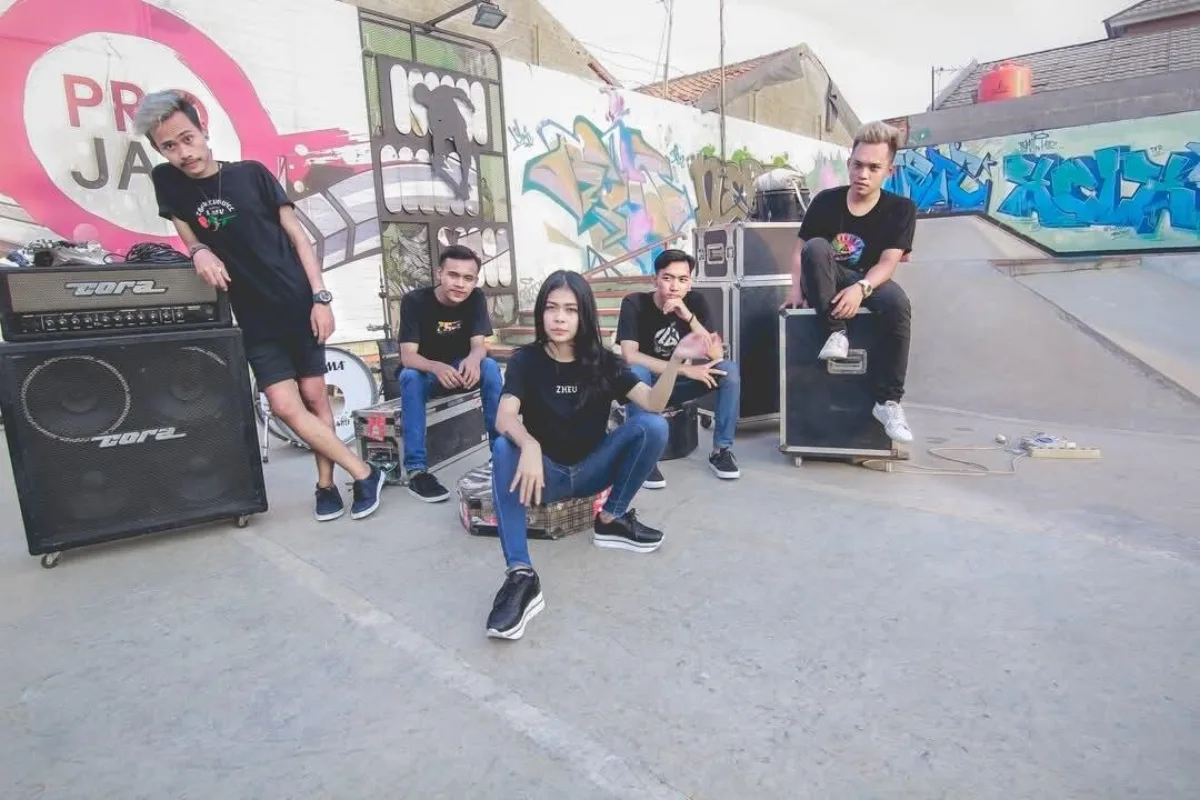
The most consequential career move was founding DWS Record. Instead of only selling his time as an engineer — the capped, low-risk stream — he took ownership of releases and artist careers. His flagship act, the Bekasi rock band Bingar., has released a steady run of singles since "Belum Tentu Sampai" in January 2025, drawing tens of thousands of streams and press coverage from outlets like Pophariini. When an artist you back gains traction, ownership converts that success into recurring income you don't have to re-earn from scratch each month.
The Career Lesson: Own the Upside
The transferable lesson has nothing to do with music specifically. Early in a career, most people sell time for a fixed fee — safe, but capped. The people who compound their income find ways to own a share of the value they create, whether that's equity, royalties, a book, a product, or a business. Sumantri moved along that spectrum deliberately: from paid drummer, to paid engineer, to owner of a label whose catalogue can keep paying long after the work is done.
What this means for you
- Producer income is a portfolio of small streams, not one salary.
- Creative fields often reward a portfolio over a formal degree.
- Fees are safe but capped; royalties and ownership scale.
- Owning releases (via a label) turns one-off work into recurring income.
- The universal move: shift from selling time to owning upside.
Questions about pay
How do music producers make money?
Independent producers typically combine several income streams: session and mixing fees, production fees per song, a share of royalties on releases, artist management commissions, and revenue from running their own label or studio.
Do you need a degree to become a music producer?
No formal degree is required. Many working producers, like Dwi Sumantri, build their careers through hands-on studio experience, playing in bands, and working alongside more established engineers.
Is running a record label profitable?
It can be, but it takes time. Small independent labels usually reinvest early earnings into new releases and marketing, with profit arriving only once a roster builds steady streaming and live income.